Service · Customs

Customs & ComplianceBrokerage, classification, duty optimization.

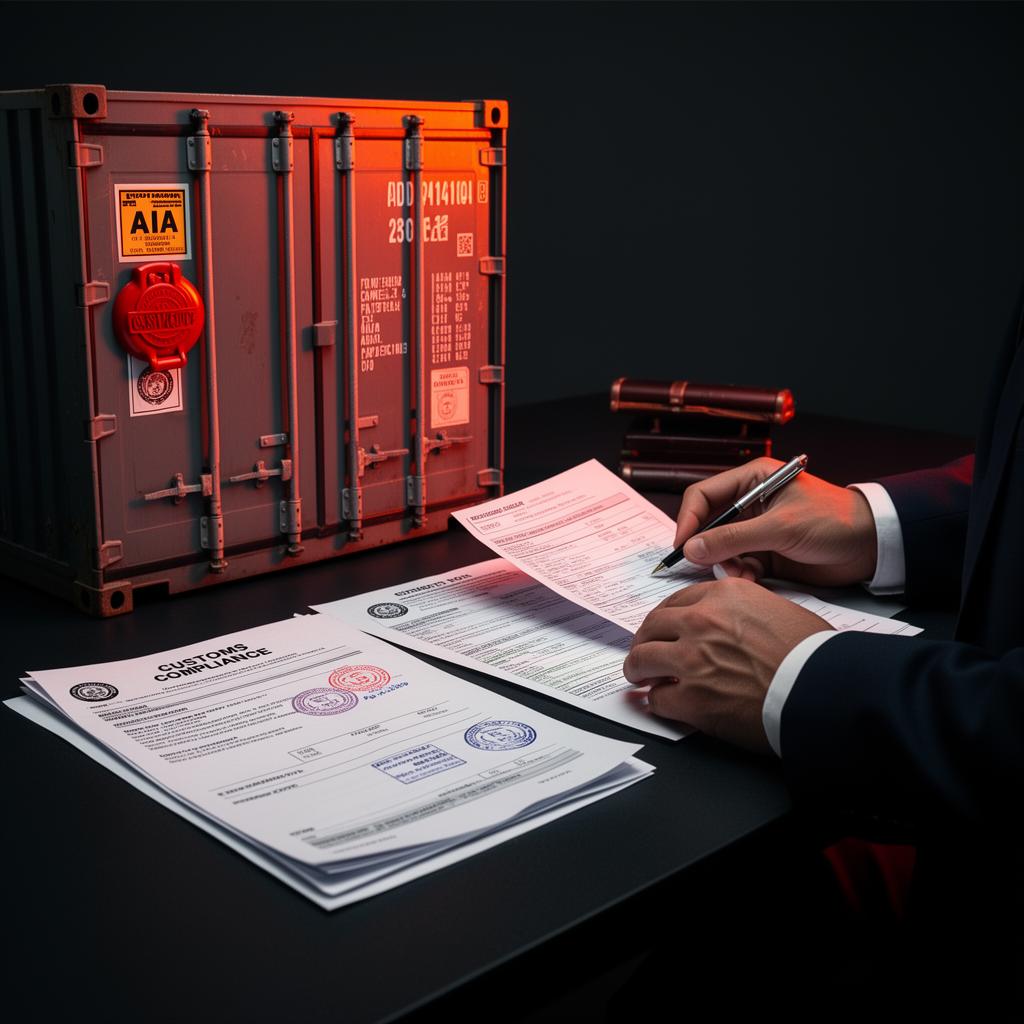
Customs is where shipments get delayed, fined, or seized. IKEOCEAN's licensed customs brokers and trade-compliance experts clear your cargo through 100+ customs authorities, optimize duty spend, and keep you audit-ready.

Customs & Compliance

What is Customs & Compliance?

Import/export customs brokerage, HS code classification, duty drawback, Free Trade Agreement (FTA) qualification, ISF/AMS filing, denied-party screening, and full trade-compliance advisory.

Who it's for

First-time importersMulti-country sourcingFTA-eligible flowsHigh-duty goods (apparel, footwear, electronics)
Get a Quote on ShipHub

Client education

Read this before choosing Customs & Compliance.

This guide explains how customs & compliance works in plain language, what clients should prepare, and what can affect cost, speed or delivery reliability.

Why customs matters

Customs decides whether goods can legally enter or leave a country. The process verifies product description, value, origin, HS classification, duties, taxes, licenses and restricted-party compliance. Mistakes can create delays, penalties or seizure.

HS codes and duty

HS codes classify products for duty and regulation. A small classification difference can change duty rates dramatically. IKEOCEAN combines digital tools with licensed broker review so clients receive practical guidance and audit-ready documentation.

Pre-clearance prevents delays

For many modes, customs data can be filed before arrival. Pre-clearance helps identify missing information early, reduces port dwell time and allows faster release when the shipment arrives.

Compliance beyond one shipment

Good compliance builds a repeatable import/export program: standardized product databases, origin records, document templates, broker instructions, denied-party screening and landed-cost controls.

How it works

From quote to delivery — step by step.

01

Upload commercial docs

Commercial invoice, packing list, B/L or AWB — upload once into ShipHub.

02

Auto-classification

AI-assisted HS code suggestions, reviewed by a licensed broker.

03

Pre-clearance filing

ISF (US), ENS (EU), AMS, and entry filed before vessel/flight arrival.

04

Duty & tax calculation

Landed-cost preview with duty optimization (FTA, first-sale, drawback).

05

Release & delivery

Customs released, cargo dispatched for final delivery — all status visible live.

What's included

Built for global trade at scale.

  • Licensed brokers in US, EU, UK, CA, MX, AU + 100 more
  • HS classification with audit trail
  • Duty drawback & FTA qualification (USMCA, EU-UK TCA, RCEP)
  • ISF, AMS, ENS, and entry filing
  • Denied-party & sanctions screening

Real-world example

Example: Importing 50 SKUs from Vietnam → USA

A furniture importer brings 50 SKUs from Ho Chi Minh into Long Beach. ShipHub classifies each SKU (HS 9403.60), files ISF 72h before sailing, calculates 0% duty under the GSP exclusion, files entry on arrival, and clears in under 4 hours — saving $11,400 in duty vs. their previous broker's classification.

Start your shipment

Service options

Choose the right level for the job.

Every shipment is different. These are the practical options clients can compare when requesting a quote through ShipHub.

Import brokerage

Entry filing, duty/tax calculation, release coordination and delivery handoff.

Export compliance

Export filings, licenses, sanctions screening and document review.

Classification support

HS code review, product database cleanup and audit trail.

Duty optimization

FTA qualification, drawback review, bonded strategies and landed-cost planning.

Before you request a quote

Information to prepare

  • Commercial invoice and packing list
  • Product description, material, use and country of origin
  • HS code if already known
  • Buyer, seller, importer and consignee details
  • Shipment mode, value and Incoterms
  • Licenses, certificates or permits if required

Heads up

What clients should know

  • Vague product descriptions like ‘parts’ or ‘samples’ can trigger customs questions.
  • Undervaluation can create penalties and future audits.
  • Some goods require permits before departure, not after arrival.
  • Country-of-origin rules are different from shipping origin.
  • Duty-saving programs need documentation, not just a claim.

Ready to ship with Customs & Compliance?

Sign in or create your free ShipHub account to request a live quote in seconds.

Ready to move the world with us?

Get an instant quote, sign up as an agent, or talk to our partner team.